
Why Boat Interior Condition Is Judged Almost Instantly
When someone steps onboard a boat for the first time, the decision-making process starts immediately. Within the first 30 seconds, most buyers form a strong impression of the boat interior condition, even before they consciously analyze details. This reaction is not emotional guesswork—it is based on visual cues, touch, smell, and overall comfort.

Boat interior condition is not only about how clean or “new” something looks. It reflects how the boat was stored, maintained, cleaned, and protected from sun, moisture, and chemicals over time. That is why two boats of the same year can feel completely different the moment you step inside.
The First 30 Seconds: How Buyers Evaluate Interior Condition Without Thinking
Most buyers do not run through a checklist in their head. Instead, they subconsciously register several signals at once. The way cushions respond when sat on, how the vinyl feels to the touch, whether the cabin smells neutral or stale—all of this builds an instant judgment.
This is also why sellers often believe their interior is “fine,” while buyers quietly disagree. Boat interior condition is felt before it is analyzed. If something feels tired, flat, stiff, or uneven, the interior immediately reads as worn—even if there are no obvious tears or damage.
Visual factors that instantly affect boat interior condition
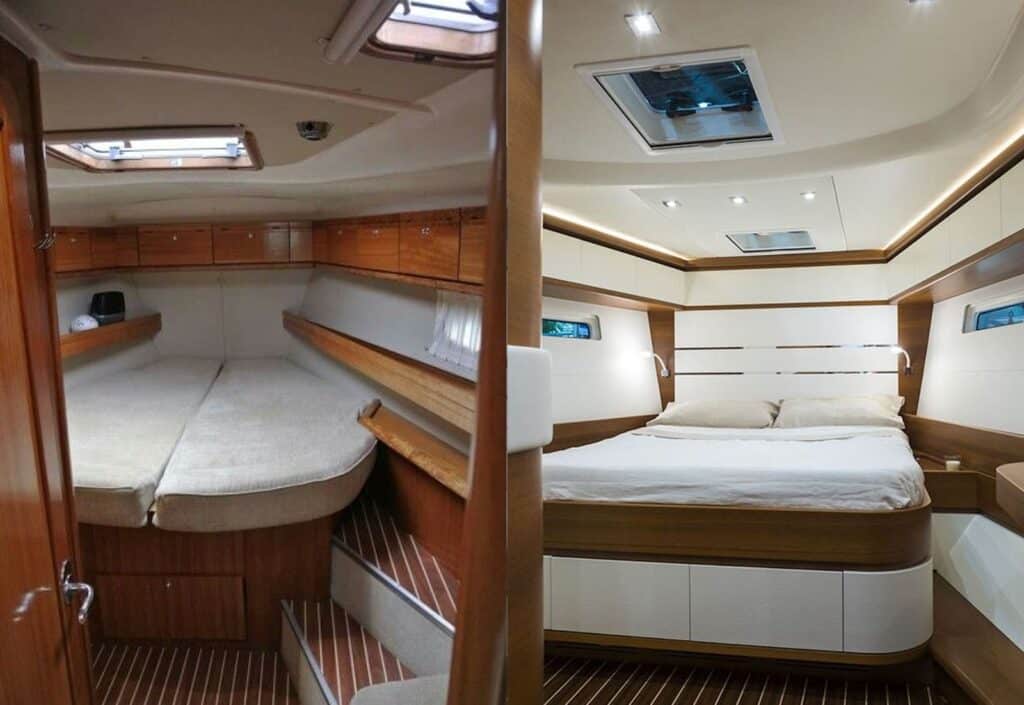
Color is one of the fastest and most reliable indicators of interior condition. Even a relatively new boat interior can show uneven fading near windows or portholes where sunlight hits the same area day after day. Dark vinyl is especially vulnerable: it may lighten, lose depth, or shift tone in specific zones, creating visible discoloration of vinyl surfaces that instantly makes the interior feel older.
Another common issue appears after partial repairs. Even when the same vinyl model is used, new material from a roll often retains its original color better than vinyl that has been exposed to heat, UV radiation, and humidity for years. These subtle differences are easy to notice in natural daylight and significantly affect how the overall boat interior condition is perceived.
In many cases, discoloration is accelerated by the breakdown or removal of the vinyl’s protective UV layer. Aggressive cleaning chemicals, chlorine-based cleaners, or repeated scrubbing can strip this layer, leaving the surface unprotected. Once the UV barrier is compromised, vinyl begins to fade and age much faster—even if the interior is otherwise clean and well maintained. Proper cleaning methods and UV-safe products are essential to preserve color consistency and slow interior aging.
Touch and Comfort: Why Foam Tells the Real Story
Foam condition is one of the most honest indicators of interior health. A cushion can look full but still be worn internally. When foam compresses slowly, feels flat, or does not rebound quickly, it signals material fatigue.
Buyers may not say it out loud, but they notice immediately. The moment someone sits down, they subconsciously judge whether the interior feels supportive or exhausted. This is why many boat interiors that look acceptable in photos feel disappointing in person.
Smell as a Condition Indicator Inside the Cabin
Odor is one of the strongest signals of interior condition, especially in enclosed cabins. A mild musty smell often points to moisture trapped in foam, backing materials, or hidden areas behind panels. Even if surfaces look clean, smell reveals what visuals cannot.

In humid regions, this factor becomes even more critical. Persistent interior odor almost always lowers buyer confidence, regardless of how polished the boat appears otherwise.
Key Indicators Buyers Use to Judge Boat Interior Condition
| Interior Signal | What Buyers Interpret | Condition Impact |
| Vinyl feels stiff | UV breakdown and loss of flexibility | Negative |
| Foam doesn’t rebound | Internal foam fatigue | Negative |
| Uneven color near windows | Sun exposure damage | Negative |
| Neutral, clean smell | Dry, well-maintained interior | Positive |
| Quiet panels, no creaking | Solid backing and fasteners | Positive |
| Consistent material tone | No hidden repairs or fading | Positive |
These indicators work together. One issue may be forgiven, but several combined quickly lower perceived value.
How Cleaning Practices Can Damage Interior Condition
Improper cleaning is a hidden enemy of boat interiors. Harsh chemicals—especially chlorine-based products—can strip UV protection from vinyl surfaces. Once this protective layer is damaged, vinyl begins to fade, dry out, and lose color much faster.
This often happens when non-marine cleaning crews use household products instead of marine-safe solutions. The damage may not appear immediately, but over time it permanently affects boat interior condition.
Cabin Color Scheme: How Color Choices Affect Perceived Interior Condition
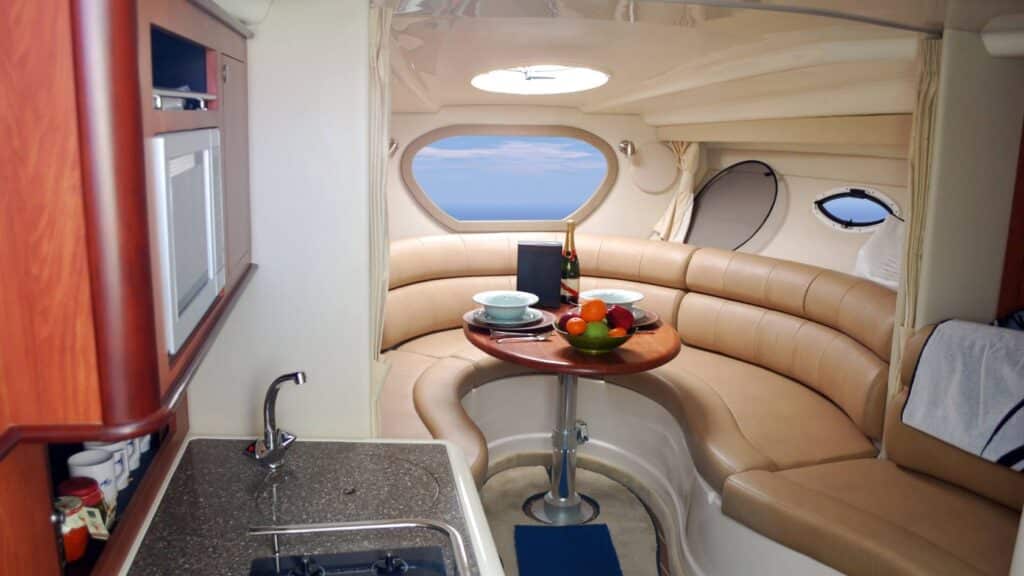
Color plays a much bigger role in cabin perception than most owners expect. The wrong color palette can make a well-maintained interior feel dated, heavy, or visually tired, while a balanced color scheme can make an older cabin feel cleaner and more modern. Buyers subconsciously associate light balance, contrast, and consistency with overall care and condition.
When choosing cabin colors, it’s important to focus on neutrality, light reflection, and long-term aging behavior. Lighter tones with soft contrast tend to hide minor wear, reduce visual fatigue, and reflect natural light better inside enclosed spaces. Poorly chosen dark or overly saturated colors may look striking at first but often reveal fading, discoloration, and uneven aging much faster—especially near windows and hatches.

Common Mistakes in Cabin Color Coordination
One of the most common mistakes in cabin design is mixing multiple color directions without a clear visual hierarchy. It often happens when warm-toned upholstery is combined with wood trims in different shades—dark brown frames next to lighter or mismatched wooden panels, or classic finishes blended with modern elements without balance. Even high-quality materials start to look inconsistent when colors are not intentionally repeated across trim, frames, and furniture details. To maintain a cohesive cabin style, any dominant wood or accent color should be deliberately echoed in other elements, creating continuity rather than visual fragmentation.
Hidden Interior Issues: Unsealed Plywood Edges
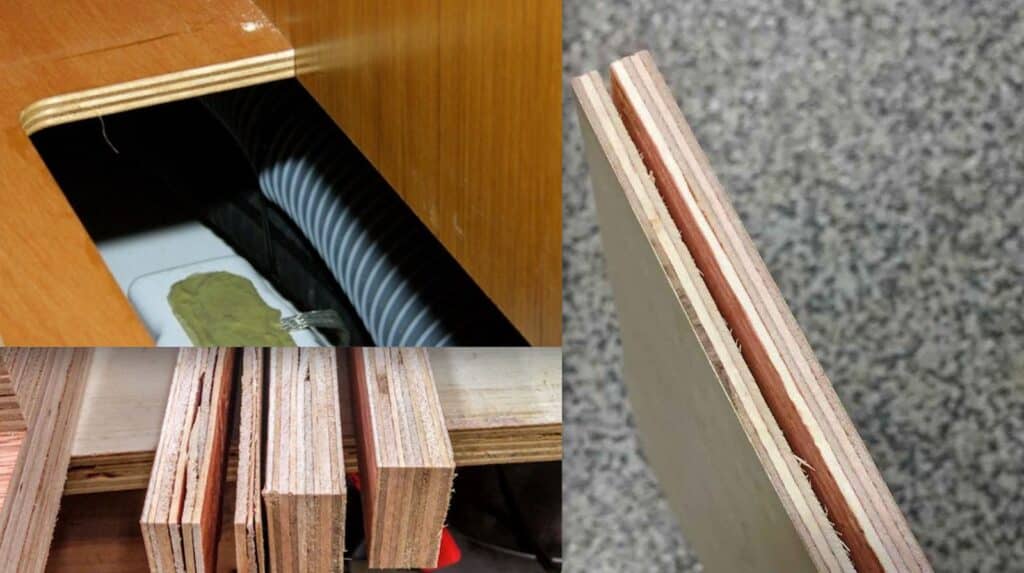
One of the most overlooked problems in boat interiors is untreated plywood edge grain, especially in hidden or hard-to-reach areas. Even when visible surfaces look clean and well finished, exposed plywood edges behind cabinets, under seating, or on the back side of furniture panels can absorb moisture over time. In a marine environment, this leads to swelling, delamination, and gradual structural failure of interior components.
Unchecked edge grain is a common reason why cabinetry and wooden panels fail prematurely on boats. A proper interior inspection should always include opening access panels, moving furniture where possible, and checking whether plywood edges are sealed with epoxy or marine-grade coatings. Addressing this early can prevent costly interior repairs and significantly improve long-term boat interior condition.
How to Preserve Boat Interior Condition Over Time
Simple habits make a measurable difference. Controlling sun exposure with covers or curtains, using proper cleaning products, ventilating cabins, and addressing moisture early all help preserve interior materials.
Consistent care keeps vinyl flexible, foam resilient, and colors stable—protecting not just appearance, but long-term value.
Frequently Asked Questions About Boat Interior Condition
How long does good boat interior condition typically last?
There is no fixed timeline. Interior condition depends on sun exposure, humidity, cleaning methods, and usage. Well-maintained interiors can feel fresh for many years, while neglected ones degrade quickly.
Can a boat look new but still have poor interior condition?
Yes. Visual appearance alone is misleading. Foam fatigue, hidden moisture, and UV damage often exist long before visible cracks or tears appear.
What is the fastest way to improve interior condition before selling?
Focus on feel and consistency: address foam support, remove odors, and correct uneven color exposure. These changes have the strongest impact on buyer perception.
Does interior color affect perceived condition?
Absolutely. Fading, discoloration, or mismatched tones immediately signal wear—even when materials are structurally intact.
Why do buyers judge interior condition so quickly?
Because comfort, smell, and touch trigger instinctive reactions. Buyers trust these signals more than verbal assurances.
Final Perspective
Boat interior condition is best evaluated through immediate sensory cues—touch, smell, color consistency, and comfort—especially within the first 30 seconds onboard. A well-preserved interior signals proper care, higher value, and long-term reliability, making condition more important than age, upgrades, or appearance alone.
This expert perspective is based on real-world marine interior evaluations by Boat Upholstery Broward.
