
Local Standards and Practices in Yacht Interiors Fort Lauderdale
- Fort Lauderdale is a global hub for yacht interiors, with major yards like Lauderdale Marine Center, Derecktor, and Rybovich supporting new builds and refits year-round.
- Owners can choose between full-service design studios, custom carpentry shops, and turnkey outfitting specialists depending on project scope and budget.
- Early space planning, 3D visualization, and coordination with shipyards are essential to keep refits on schedule during popular yard seasons (typically October–April).
- Common project types in Fort Lauderdale include full interior refits of 80–200 ft motor yachts, soft-goods refreshes, and custom millwork upgrades for staterooms and salons.
- Reputable Fort Lauderdale yacht interior firms are licensed, insured, OSHA-compliant, and accustomed to working under tight charter or cruising deadlines.
Why Fort Lauderdale Leads in Yacht Interiors
Fort Lauderdale has earned its reputation as the “Yachting Capital of the World” through decades of concentrated marine industry growth. The city’s position along the New River and Intracoastal Waterway has created a unique ecosystem where marinas, service yards, and design firms operate within a remarkably compact radius. With more than 50,000 registered yachts in Broward County alone, this Florida hub attracts owners, captains, and yacht builders from across the world seeking exceptional yacht interiors and reliable refit services.
The annual Fort Lauderdale International Boat Show, typically held in late October, serves as both a showcase and a catalyst for the local interior design industry. Designers use FLIBS to debut recent projects, display new materials, and connect with prospective clients planning their next refit. The show’s timing also drives seasonal demand—owners want their boats looking pristine before heading to the Bahamas or Caribbean for winter cruising.
- Concentration of Specialized Yards: Key local shipyards and refit centers like Lauderdale Marine Center, Derecktor Fort Lauderdale, and Rybovich in nearby Palm Beach regularly host 80–250 ft yachts for interior projects. These facilities offer haul-out capabilities, covered work areas, and direct access to skilled contractors.
- Integrated Service Network: Naval architects, carpenters, upholsterers, lighting specialists, and outfitters all operate within a short drive of major yards. This proximity reduces project downtime and allows designers to supervise installations personally rather than coordinating remotely.
- Global Service Hub: Many superyachts split time between the Mediterranean and Caribbean, making Fort Lauderdale their refit base between seasons. Local yacht designers are accustomed to working with European builders, Italian furniture manufacturers, and offshore shipyards—bringing global expertise to South Florida projects.
- Typical Projects Serviced: Common work includes full interior overhauls on 100–180 ft motor yachts preparing for charter programs, stateroom refreshes for private owners after several cruising seasons, and custom millwork upgrades to modernize dated salons on vessels built in the 1990s or early 2000s.
Types of Yacht Interior Services Available
Fort Lauderdale firms handle everything from initial design concept to final staging, serving both private and charter yachts in the 60–250 ft range. Whether you need a complete interior transformation or targeted upgrades to specific areas, local professionals have the skills and experience to meet your expectations.
- Full Interior Refits: Complete redesigns involving layout changes, new joinery, flooring, lighting, and systems integration. These projects typically require close coordination between interior designers, naval architects, and the shipyard to ensure structural modifications meet classification requirements.
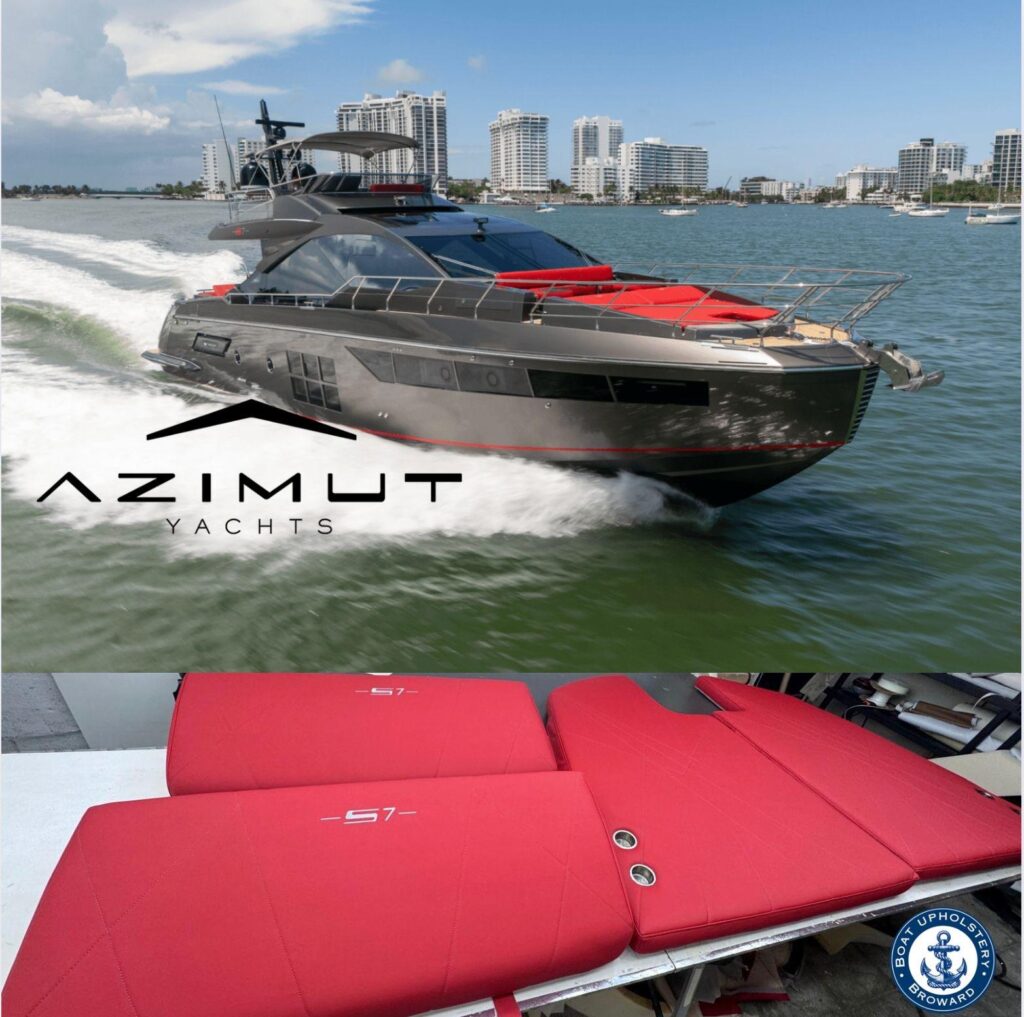
- Soft-Goods Upgrades: Replacement of upholstery, bedding, curtains, and carpets without altering the underlying structure. Specialist workrooms like Powless Yacht Services and Eclipse Yacht Furnishings focus on fabricating marine-grade cushions, window treatments, and decorative textiles that withstand salt, humidity, and UV exposure.
- Custom Cabinetry and Millwork: Built-in furniture, headboards, entertainment centers, and storage solutions tailored to each yacht’s footprint. Firms like Genesis Interiors specialize in bespoke millwork using their proprietary Fit-Lock® panel system, which allows easy removal for maintenance and inspections.
- Lighting Redesign: Upgrades from outdated fixtures to modern LED systems with dimmable, app-controlled capabilities. Designers create layered lighting plans that transition smoothly from bright task lighting during the day to warm ambient settings for evening entertaining.
- Galley and Crew Area Optimization: Improved layouts for working galleys, pantries, laundry rooms, and crew quarters. Efficient space planning in these areas minimizes conflict with guest circulation while making life easier for crew during long passages or busy charter seasons.
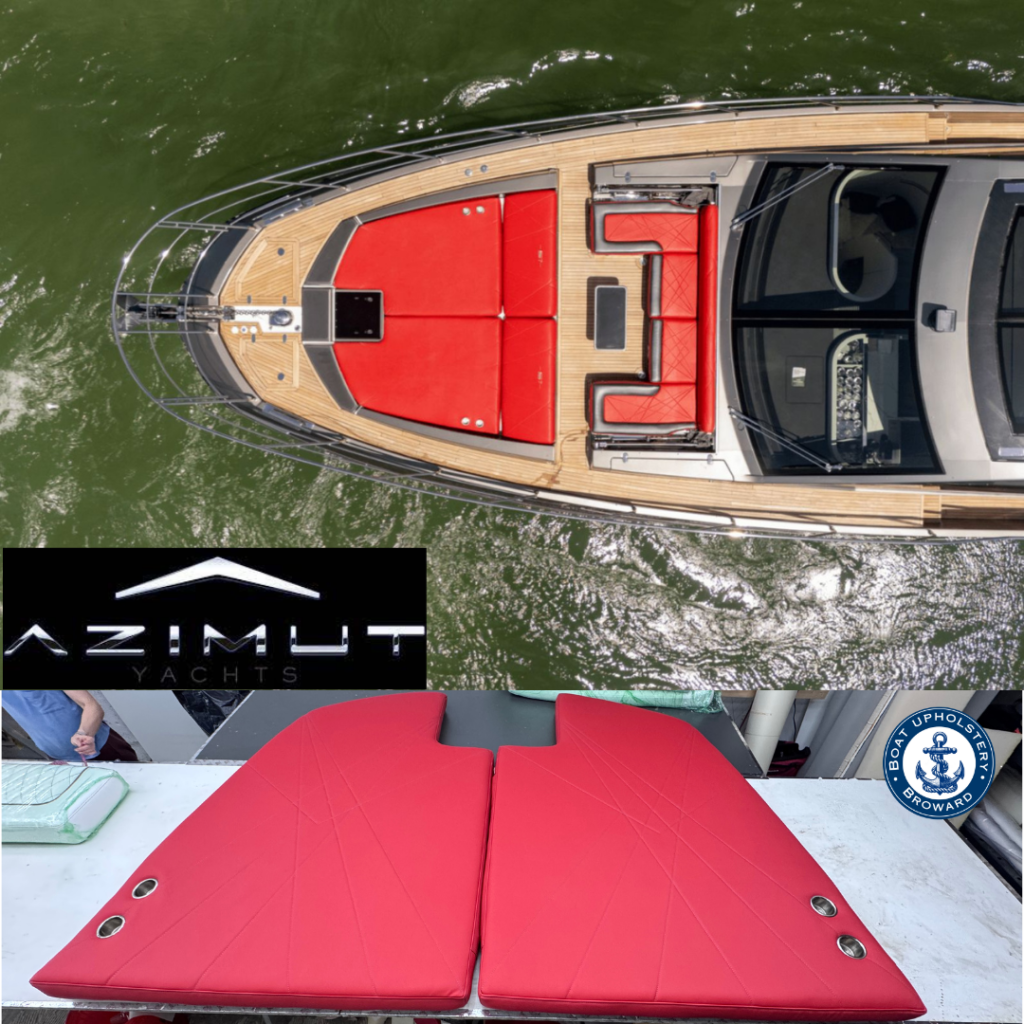
- Exterior Upholstery: Custom cushions, awnings, and seating for flybridges, aft decks, and bow lounges. Materials must resist intense sun, frequent washdowns, and constant use—making marine-specific fabrics and quick-dry foams essential.
- Yacht Outfitting and Décor: Selection and installation of linens, tableware, artwork, accessories, and branded items for charter programs. Many Fort Lauderdale studios offer turnkey outfitting services that ensure the yacht is guest-ready upon delivery.
- Turnkey Project Management: Coordination of painters, electricians, AV/IT teams, and class surveyors so the owner or captain has a single point of contact. This approach streamlines communication and keeps complex projects on schedule.
- Interior and Exterior Styling Coherence: Some studios provide both interior and exterior styling, ensuring finishes inside the yacht complement the exterior paint scheme, teak work, and deck lighting.
Design Process: From Concept to Completed Yacht Interior
Most Fort Lauderdale interior projects follow a structured process that can run anywhere from 6 weeks for a minor refresh to 9–12 months for a major refit depending on vessel size and scope. Understanding this timeline helps owners plan around yard availability and cruising schedules.
The process begins with a thorough understanding of the client’s vision and ends with a turnkey yacht ready for its next adventure. Here’s how it typically unfolds:
- Initial Consultation: The design team conducts an onboard survey in Fort Lauderdale or at a local yard, reviews GA (general arrangement) drawings, and holds a lifestyle interview with the owner, captain, and sometimes the chief stew. This phase helps designers understand how the yacht is actually used—whether for family cruising, corporate entertaining, or charter operations.
- Concept Development: Designers create mood boards, materials palettes featuring woods like walnut or oak, performance fabrics, and marine-grade leathers. Preliminary sketches reflect specific owner preferences, whether that’s a contemporary Miami aesthetic with clean lines or a classic look featuring rich mahogany paneling.
- 3D Visualization: Using CAD and rendering software, firms produce photo-realistic images of salons, staterooms, and crew areas. This allows owners to “walk through” the design before fabrication begins, catching potential issues early and building confidence in the direction.
- Detailed Design and Engineering: Shop drawings for custom joinery are developed, integrating with structural bulkheads, HVAC systems, and electrical runs. When applicable, designs must meet ABS or MCA requirements for commercial charter vessels.
- Fabrication: Custom carpentry and finishing often happen in Fort Lauderdale workshops where climate-controlled conditions ensure quality results. Veneers are applied, hardware is fitted, and components are pre-assembled before transport to the yacht.
- Installation: Finished pieces are installed at nearby yards with tight sequencing to fit haul-out and docking schedules. The team coordinates with other trades—electricians, plumbers, AV installers—to avoid conflicts and maintain momentum.
- Final Styling and Handover: Placement of linens, art, decorative lighting, and accessories transforms the yacht from a construction zone to a turnkey vessel. Many projects time completion to coincide with the start of Bahamas season or a specific charter booking.
Custom Craftsmanship and Materials
Fort Lauderdale’s reputation for exceptional yacht interiors rests on highly skilled carpenters, finishers, and fabricators who specialize in marine environments. These craftspeople understand that a yacht is not a house on water—every detail must account for movement, moisture, and the unique demands of life at sea.
- Built-In Cabinetry: Custom storage solutions for salons, including entertainment centers with hidden wiring access, built-in bars with glass racks designed to prevent breakage at sea, and fold-out desks that maximize function without sacrificing floor space.
- Bespoke Sleeping Quarters: Custom headboards, nightstands with integrated lighting, and wardrobes configured to each stateroom’s unique dimensions. Hidden storage under berths and in bulkheads maximizes every inch of available space.
- Popular Wood Species: High-gloss walnut for formal areas, satin oak for contemporary spaces, wenge for dramatic accent panels, and teak for areas requiring superior moisture resistance. Local shops work with marine-rated veneers applied to lightweight substrates to control weight.
- Stone and Composite Countertops: Natural stone adds luxury but weight concerns often lead designers toward engineered alternatives or lightweight honeycomb-core panels with stone veneer faces—achieving the look without the mass.
- Moisture-Resistant Materials: All veneers, adhesives, and finishes are selected for tropical cruising conditions. This includes anti-corrosion treatments for hardware and mildew-resistant backing on fabrics.
- Weight and Stability Considerations: Designers balance luxury finishes with the need to maintain proper weight distribution for stability and fuel efficiency. This affects everything from countertop thickness to the type of core material used in panels.
- Collaboration With Specialists: Interior designers work closely with local metalworkers for custom railings and fixtures, upholsterers for built-in seating, and glass specialists for shower enclosures, mirrors, and decorative ceiling features.
- Regulatory Compliance: Reputable Fort Lauderdale shops are familiar with IMO flammability requirements, marine-grade hardware specifications, and safety standards that influence material choices on commercial and large private yachts.
Working With Fort Lauderdale Yacht Interior Professionals
A successful yacht interior project requires assembling the right team of interior designers, project managers, master carpenters, upholsterers, and specialized marine contractors. Fort Lauderdale offers a deep bench of talent committed to transforming visions into finished spaces.
- Selecting the Right Firm: Review portfolios of similar-length yachts to ensure the firm has relevant design experience. Visit current projects in local yards when possible, and check references from other owners or captains who’ve completed similar work.
- Portfolio Evaluation: Look for variety in style—firms like Destry Darr Designs emphasize having “no limitations on design style,” while others may specialize in contemporary or classic aesthetics. Match the firm’s strengths to your own preferences.
- Setting Realistic Budgets: Be upfront about budget parameters early. Designers can often suggest alternatives that achieve similar visual impact at lower cost, such as engineered stone instead of natural marble or performance fabrics that mimic silk.
- Timeline Planning: Acknowledge yard lead times around FLIBS (late October) and holiday cruising seasons. Prime slots often fill 6–9 months in advance, so build in buffer time for design approval, material procurement, and unexpected discoveries during demolition.
- Clear Communication: Establish regular progress meetings at the yard, request photo updates for absentee owners, and agree on change-order procedures to control costs. Most firms use digital project management tools to keep everyone aligned.
- Remote Project Management: Many international clients manage Fort Lauderdale projects from Europe or elsewhere via video calls, digital mood boards, and couriered material samples. Local captains or yacht managers often serve as on-site representatives.
- Verify Credentials: Confirm licensing, insurance coverage, and OSHA-compliant safety practices before work begins. This is particularly important when projects take place in busy yards with multiple trades working simultaneously.
- Listen and Collaborate: The best outcomes happen when owners listen to professional recommendations while clearly communicating their priorities. As experienced Fort Lauderdale designers note, the key to great design is capturing the spirit of the client and the essence of the space.
Trends in Yacht Interiors in Fort Lauderdale
Fort Lauderdale designers closely follow both European yacht trends and South Florida residential design influences. The result is a distinctive blend that balances international sophistication with the relaxed, sun-drenched lifestyle that defines the region.
Current styling and functional trends reflect changing owner preferences and advances in materials technology:
- Light, Neutral Palettes: The dark mahogany and cherry finishes popular in the 1990s and early 2000s have given way to lighter tones—bleached oak, whitewashed teak, and creamy lacquers that make interiors feel larger and more connected to the water.
- Matte Wood Finishes: High-gloss remains popular in formal areas, but many owners now prefer satin or matte finishes that are more forgiving of fingerprints and easier to maintain during active cruising.
- Large-Format Surfaces: Porcelain and engineered stone in large formats create seamless expanses in heads and galleys, reducing grout lines and simplifying cleaning.
- Minimal Hardware: Concealed hinges, touch-latch doors, and integrated pulls create clean surfaces without visible hardware interrupting the visual flow.
- Convertible Spaces: Media rooms that transform into guest cabins, dining areas that convert to workspaces, and flexible lounges that serve multiple functions throughout the day. This reflects owners wanting more from less square footage.
- Improved Crew Quarters: Long-range cruising and extended charter seasons have increased focus on crew comfort. Better ventilation, more storage, and improved acoustics in crew areas contribute to happier, more effective teams.
- Technology Integration: App-controlled lighting, hidden televisions that rise from cabinetry, upgraded AV systems, and improved sound insulation for quieter cabins. Acoustic treatments like Whisper Walls® tensioned fabric systems are becoming standard in entertainment areas.
- Sustainability Considerations: Low-VOC finishes, LED lighting throughout, and durable performance fabrics that reduce replacement frequency in tropical sun and salt air. While not yet a dominant selling point, eco-conscious choices are increasingly requested.
- Multi-Use Transformations: A common Fort Lauderdale project involves converting a formal dining room on a 120 ft motor yacht into a more casual, multi-use lounge for family cruising—reflecting how modern owners actually use their boats versus older entertaining conventions.
FAQ – Yacht Interiors Fort Lauderdale
How far in advance should I book a Fort Lauderdale yacht interior refit?
Prime yard slots around FLIBS (October) and the winter cruising season often fill 6–9 months in advance. Major refits involving structural work or custom millwork may require even longer lead times for design development and material procurement. Even smaller soft-goods projects benefit from at least 2–3 months’ notice to ensure preferred fabrics are available and workroom schedules align with your timeline.
What size yachts do Fort Lauderdale interior firms typically handle?
While some boutique studios focus on 60–100 ft vessels, many established firms and carpentry shops regularly work on 100–200 ft+ motor yachts. The local industry can coordinate with superyacht yards for haul-outs and complex refits on even larger vessels. Genesis Interiors, for example, notes portfolio coverage from 48 ft to 462 ft yachts, demonstrating the range of expertise available.
Can I live onboard during an interior refit in Fort Lauderdale?
Minor soft-goods changes may allow limited onboard stays, particularly if work is confined to specific areas. However, major joinery, flooring, and systems work usually requires the yacht to be vacated for safety and efficiency. Demolition phases generate significant dust and debris, while finishing work requires controlled environments. Most owners find it practical to arrange alternative accommodations and visit the boat for scheduled walkthroughs.
Do Fort Lauderdale designers work with foreign-flagged and charter yachts?
Most reputable firms are accustomed to foreign flags, classification society rules, and commercial charter requirements. They can design interiors that meet MCA, SOLAS, and Large Yacht Code guidelines when applicable. This includes specifying fire-retardant materials, appropriate door clearances, and compliant escape routes. Fort Lauderdale’s position as an international service hub means designers regularly collaborate with European shipyards and classification surveyors.
Is it possible to manage a Fort Lauderdale interior project remotely?
Many international owners successfully manage projects via video calls, digital mood boards, and couriered material samples. Regular progress reports with photos keep distant owners informed and even monitor the quality of boat upholstery. Local captains or yacht managers often act as on-site representatives, attending meetings, approving work, and ensuring the client’s vision is maintained throughout the build. The key is establishing clear communication protocols and decision-making authority before work begins.
